

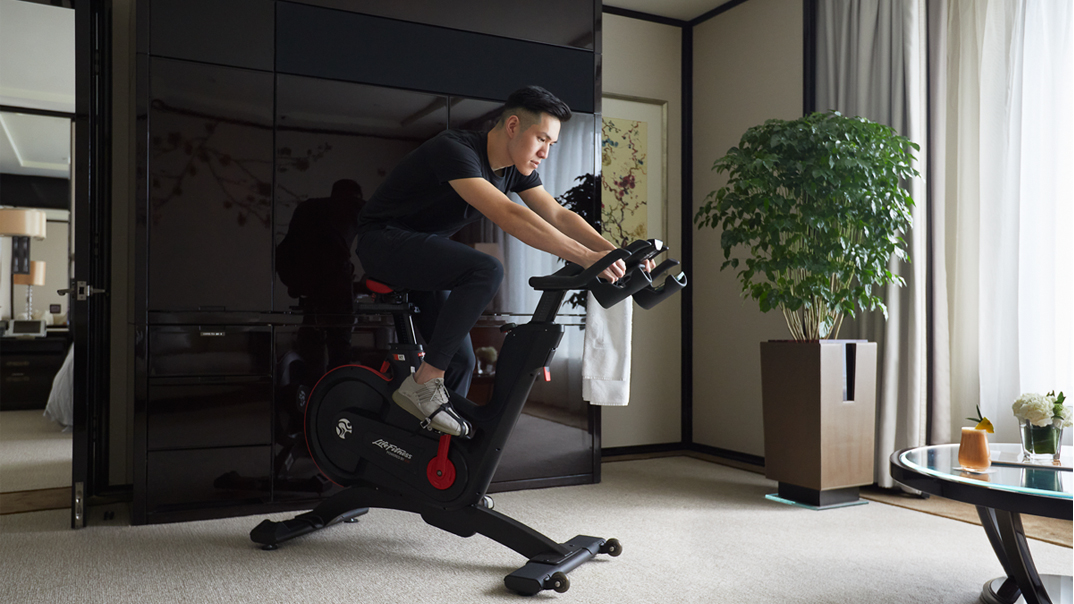
Wellness + Fitness + Café Integration: The New Lifestyle Ecosystem for Modern Living
In today’s fast-paced world, the boundaries between wellness, fitness, and social lifestyle are becoming increasingly blurred. A new concept is emerging where gyms, wellness studios, and cafés are no longer separate spaces—but part of one integrated ecosystem designed to support both physical health and mental well-being. This fusion is redefining how people train, recover, connect, and even eat.
The Rise of the Hybrid Wellness Space
Traditionally, fitness centers focused solely on exercise, while cafés served as places for relaxation or casual meetings. Now, modern consumers want more efficiency and experience in one location. This demand has led to hybrid spaces that combine workout studios, recovery zones, and health-focused cafés under one roof.
These environments are designed not just for convenience, but for lifestyle transformation. After a workout session, members can transition directly into a café that serves protein-rich meals, cold-pressed juices, and balanced nutrition bowls. Instead of leaving the fitness mindset behind, they extend it into their dining choices.
Fitness Meets Community Culture
One of the strongest advantages of integrating cafés with fitness spaces is the creation of community. People are no longer just “gym members”—they become part of a social wellness hub.
After classes like yoga, pilates, or strength training, visitors often stay longer in the café area to socialize, work remotely, or attend wellness talks. This builds a sense of belonging, which is often missing in traditional fitness environments.
In many modern cities, these hybrid spaces have become lifestyle anchors where friendships form, business ideas are exchanged, and healthy habits are reinforced naturally rather than forced.
Nutrition as an Extension of Training
The integration also emphasizes the importance of nutrition as part of fitness recovery. Instead of treating food as a separate lifestyle element, these cafés design menus aligned with fitness goals.
Common offerings include:
- High-protein smoothie bowls for muscle recovery
- Low-sugar energy drinks made from natural ingredients
- Plant-based meals for digestion and inflammation control
- Functional coffee infused with adaptogens or collagen
This approach helps customers maintain consistency between their workout efforts and their dietary habits, making wellness more sustainable.
Mental Wellness and Slow Living
Beyond physical fitness, these integrated spaces also promote mental well-being. Soft lighting, calming interior design, and mindful music create an environment that encourages relaxation after intense training.
Some cafés even incorporate meditation corners or journaling stations, allowing visitors to reset mentally. This combination of movement and mindfulness reflects a growing shift toward “slow living,” where health is not rushed but experienced holistically.
The Future of Lifestyle Spaces
The integration of wellness, fitness, and café culture represents more than a trend—it signals a long-term evolution in urban living. As people padel vinci become more health-conscious, they will continue seeking spaces that simplify their routines while enhancing their quality of life.
In the future, we may see even deeper integration: biometric tracking connected to café menus, personalized nutrition recommendations after workouts, and smart environments adapting to individual stress levels.
Ultimately, this model is about harmony. It blends movement, nourishment, and connection into a single experience—making healthy living not just achievable, but enjoyable and social.