

Pigmentation and Uneven Skin Tone Correction: Modern Approaches to Clearer, Brighter Skin
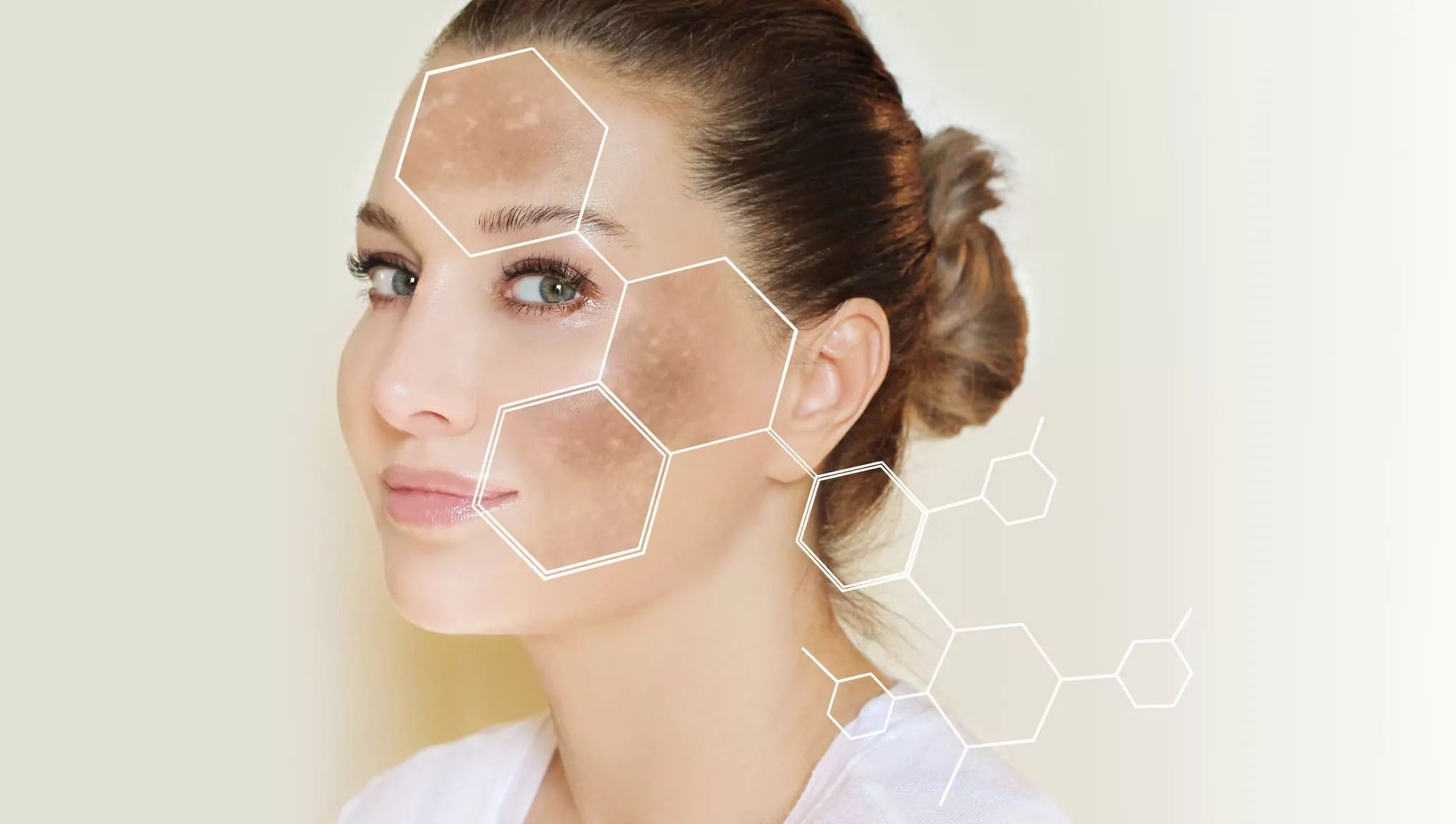
Pigmentation and uneven skin tone are among the most common skin concerns affecting people of all ages and skin types. These conditions can appear as dark spots, patches, or an overall dull complexion, often caused by sun exposure, hormonal changes, acne scars, or inflammation. While they are usually harmless, they can impact confidence and make the skin appear older or less healthy. Fortunately, modern dermatology offers a wide range of effective solutions to correct pigmentation and restore a more even, radiant skin tone.
Understanding Pigmentation and Its Causes
Pigmentation occurs when the skin produces excess melanin, the natural pigment responsible for skin, hair, and eye color. When melanin https://skinmiraclesclinic.com/ production becomes uneven, it leads to visible dark spots or patches. Common types of pigmentation include sunspots (caused by UV exposure), melasma (often linked to hormones), and post-inflammatory hyperpigmentation (left behind after acne or injury).
One of the biggest contributing factors is sun exposure. Ultraviolet (UV) rays stimulate melanin production as a defense mechanism, but over time this can result in sun damage and uneven tone. Hormonal changes, particularly during pregnancy or from certain medications, can also trigger pigmentation issues. Additionally, picking at acne or skin irritation can leave behind long-lasting dark marks.
Professional Treatment Options
Modern skin clinics offer several advanced treatments designed to target pigmentation at its source. One of the most popular methods is laser therapy. Laser treatments work by breaking down excess melanin in the skin, allowing the body to naturally remove pigmented cells over time. This can significantly reduce dark spots and improve overall skin clarity.
Chemical peels are another widely used option. These treatments involve applying a controlled solution to exfoliate the top layers of the skin, encouraging new, evenly pigmented skin to emerge. Depending on the severity of pigmentation, mild to deep peels may be recommended.
Microneedling with skin-repair serums is also gaining popularity. This technique creates tiny micro-injuries in the skin, stimulating collagen production and improving the absorption of brightening ingredients. Over time, this helps reduce uneven tone and smooth the skin’s surface.
Daily Skincare and Prevention
While professional treatments are highly effective, daily skincare plays a crucial role in maintaining results and preventing new pigmentation. Sunscreen is the most important step. Using a broad-spectrum SPF daily protects the skin from UV rays that trigger melanin overproduction.
In addition, skincare products containing ingredients like vitamin C, niacinamide, kojic acid, and retinoids can help brighten the skin and regulate pigment production. Consistent use of gentle exfoliation also supports cell turnover, helping the skin appear fresher and more even-toned.
Lifestyle Factors and Long-Term Care
Healthy lifestyle habits can also support clearer skin. Staying hydrated, eating antioxidant-rich foods, and avoiding excessive sun exposure all contribute to improved skin health. Stress management is another often-overlooked factor, as stress can sometimes worsen hormonal pigmentation conditions like melasma.
Conclusion
Pigmentation and uneven skin tone may be common, but they are highly treatable with the right combination of professional care, skincare routines, and lifestyle adjustments. With consistent treatment and protection, achieving a brighter, more even complexion is entirely possible, helping restore both skin health and confidence.