

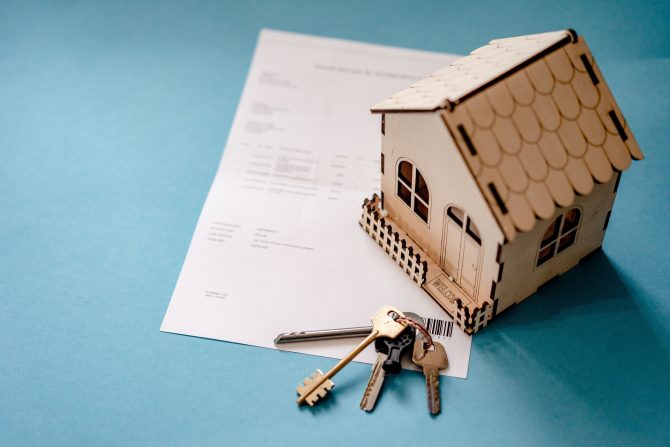
Step-by-Step Tips to Buy a House in France Without Costly Mistakes
Buying property in France can be an exciting investment, whether you’re looking for a holiday home, a long-term residence, or a rental opportunity. However, the French property market has its own legal procedures, taxes, and hidden costs that can easily surprise unprepared buyers. This le grand vacation guide breaks down the essential steps to help you avoid costly mistakes and make a confident purchase.
1. Understand the French Property Buying Process
Unlike some countries where negotiations are informal, France has a highly structured and legally binding process. Once an offer is accepted, both buyer and seller sign a preliminary contract (often called the Compromis de Vente). This document already commits both parties, so reviewing it carefully is crucial before signing.
At this stage, you usually pay a deposit of around 5–10% of the purchase price.
2. Set a Realistic Budget (Including Hidden Costs)
One of the biggest mistakes buyers make is focusing only on the property price. In France, additional costs can significantly increase your total spending:
- Notary fees (typically 7–8% for older properties)
- Property taxes (annual)
- Mortgage arrangement fees (if financing)
- Maintenance or renovation costs
- Insurance requirements
Always calculate a buffer of at least 10–15% above the purchase price to avoid financial pressure later.
3. Work With a Notaire (It’s Mandatory)
In France, a notaire is a government-appointed legal professional responsible for validating property transactions. They are not optional—they are required by law.
The notaire ensures:
- The property title is legally clear
- There are no unpaid debts tied to the property
- The transaction is properly registered
While the notaire works for both parties, you can also hire your own legal advisor for extra protection if needed.
4. Be Careful With Property Surveys and Condition
Unlike some countries, property surveys are not always as detailed or mandatory in France. Sellers must provide certain diagnostics (energy rating, asbestos, lead, etc.), but these reports may not reveal all structural issues.
To avoid expensive surprises:
- Consider hiring an independent surveyor
- Inspect plumbing, roofing, and insulation carefully
- Check renovation history and permits
Older countryside homes, in particular, may require significant renovation costs.
5. Understand Taxes and Residency Rules
If you are a foreign buyer, you can still purchase property in France without restriction. However, taxation differs depending on your residency status.
You may encounter:
- Annual property tax (taxe foncière)
- Residence tax (taxe d’habitation, in some cases)
- Capital gains tax if selling later
Understanding your tax obligations early helps you avoid long-term financial issues.
6. Financing: Know Your Mortgage Options
French banks offer mortgages to non-residents, but requirements can be strict. Typically, you may need:
- Proof of income
- Strong credit history
- Deposit of 20–30%
Interest rates can vary, so comparing lenders is essential before committing.
7. Don’t Rush the Decision
One of the most costly mistakes is emotional buying. A property might look perfect during a short visit, but issues often appear later—especially in rural or historic homes.
Take time to:
- Visit the property multiple times
- Check the neighborhood at different hours
- Compare similar properties in the area
Conclusion
Buying a home in France can be a rewarding investment if approached carefully. By understanding legal procedures, budgeting realistically, and working with qualified professionals, you can avoid expensive mistakes and secure a property that truly matches your goals. Whether it’s a countryside retreat or a city apartment, preparation is the key to a successful purchase.